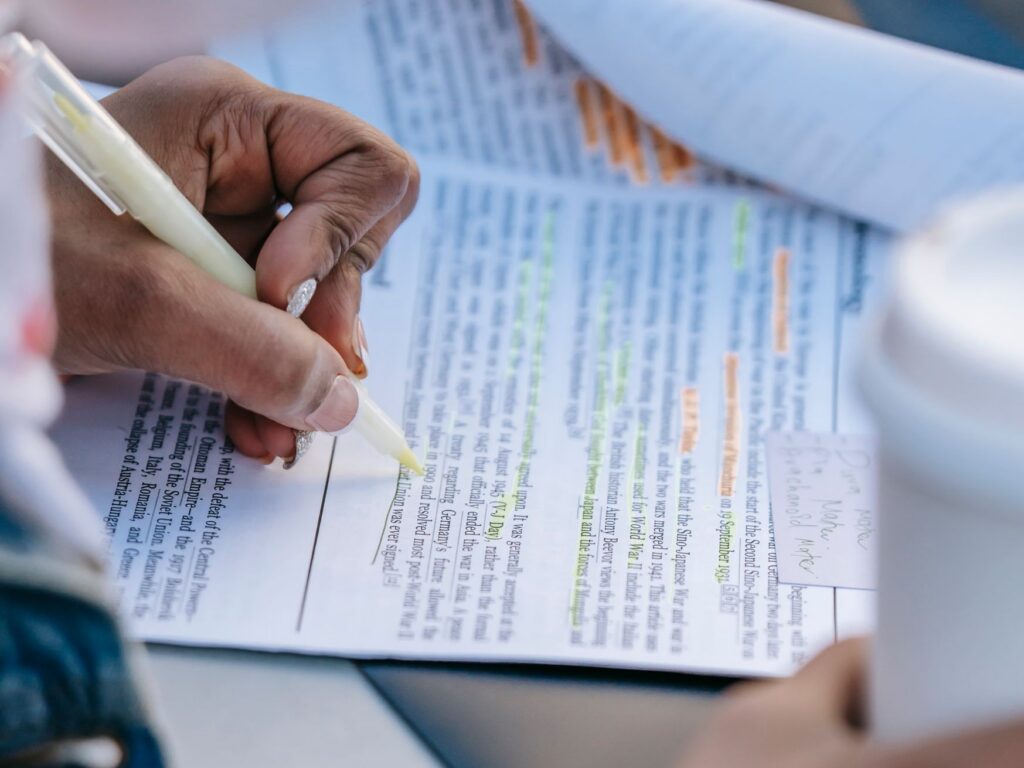
Study skills are often seen as something you only need to pass GCSEs or A Levels. And whilst, yes, they are essential for that, the reality is they can shape far more than exam results.
Good study habits help students manage their time, build confidence and cope well when under pressure. These same skills transfer into university, apprenticeships, careers and even personal lives.
In this Performance Learning guide, we look at the top 7 study skills…
1. Learning how to learn
During lessons at school the focus is on content; you learn equations, historical dates, quotes and essay structures – but you don’t learn how to learn.
Techniques like active recall, spaced repetition and mind mapping turn hours of passive reading into meaningful learning. They not only improve memory but also save time, which is a big help during busy exam seasons.
Dr Tej Samani, founder of Performance Learning, puts it simply: “When a student understands how they learn best, their confidence grows and exams stop feeling painfully impossible.”
Learning how to learn – and especially what works best for you – matters because learning isn’t about grinding for hours, it’s about working smart with the right tools.
2. Time management
One of the most powerful study skills a student can develop is managing their time. Many fall into the trap of last-minute cramming, which fuels stress and rarely delivers the results they want.
Time management involves carving out specific time for study, breaking tasks into smaller chunks, setting deadlines and balancing schoolwork with rest.
A practical way to do this is to use a weekly planner where you map out classes, revision sessions, downtime and sleep.
This structure helps prevent overwhelm and reduces procrastination. It also makes exam preparation less daunting.
Exam coaching often includes guidance on how to build these routines. A coach can help a student design a schedule that fits their personality and commitments, making it more likely they will stick to it.
3. Organisation skills
Organisation is another key study skill that carries through life. From keeping notes in order to managing digital files, an organised student saves themselves endless stress.
Having colour-coded folders, clear labels and tidy study spaces may sound small, but these habits stop important material from being lost at the worst time.
The same applies to managing digital tools. Using apps like Google Drive or Notion to store resources in one place can be a game-changer.
Once students develop these habits at school, they are better prepared for future study or workplace projects, where organisation often makes the difference between success and stress.
4. Confidence and self-belief
A less obvious but hugely important part of building study skills is confidence.
When students know they have strategies that work, they walk into exams with their heads held high, knowing they believe in themselves and their ability.
Confidence built through good study skills doesn’t fade after exams, either.
It sets a foundation for tackling university assignments, workplace deadlines and even personal goals. Students begin to trust their ability to learn, adapt and succeed, whatever comes their way.
5. Staying motivated
Motivation often rises and falls during the academic year. Even the most driven students hit walls where they lose interest or feel stuck.
A strong set of study skills helps them push through those moments. Knowing how to set goals, reward progress and measure improvement keeps motivation alive.
Dr Tej says: “Motivation isn’t about being inspired every single day. It’s about having systems and habits in place so that progress continues even when motivation dips.”
Students who learn this early can apply the same principle later in life, whether preparing for a university project or tackling a career challenge.
6. Handling exam stress and staying calm under pressure
Exam stress is one of the biggest barriers to effective learning. Students may have the knowledge, but nerves and pressure can get in the way.
Study skills such as effective revision strategies, exam technique practice and relaxation methods like breathing exercises help manage this.
The more prepared and mentally calm a student feels, the less stressful the exam experience becomes.
Performance Learning top tip: This is where exam coaching can be especially valuable. An exam coach doesn’t just focus on content, they help students stay calm under pressure, understand how to approach tricky questions and keep perspective during the exam season. These skills carry forward, making challenges in future education or work feel more manageable.
7. Critical thinking and problem solving
Beyond exams, study skills also shape how students approach problems. Techniques like breaking down tasks, analysing information critically and evaluating different solutions are vital.
These are not just academic skills, but life skills. Employers often look for candidates who can think independently and adapt to new situations, qualities that are built during school through good study habits.
What role does exam coaching play in building study skills?
While many study skills can be picked up independently, exam coaching gives students personalised guidance that accelerates their progress.
Coaches identify where a student struggles, whether it’s organisation, motivation or exam anxiety, and then provide strategies tailored to them. This individual support helps students not only perform better in school but also carry these skills forward.
Dr Tej describes the difference clearly: “Exam coaching doesn’t just prepare students for one set of exams, it equips them with skills they can use for life.”
Parents often see coaching as an investment not just in grades, but in resilience, focus and long-term success.
Building habits that last
The key to lasting success with study skills is consistency. Students don’t need to overhaul their routines overnight. Small steps, such as reviewing notes at the end of each day, planning weekly tasks or practising past papers regularly, build momentum. Over time, these habits become second nature.
By the time students leave school, these ingrained study habits mean they are better equipped to handle the pressures of higher education or work. In a fast-changing world, the ability to learn and adapt is one of the most valuable skills of all.
Study skills are not just about surviving exams. They are about preparing students for life. With the right techniques, support and confidence, young people can move through school feeling less overwhelmed and more capable.
Exam coaching can play a powerful role in this, helping students turn uncertainty into clarity and stress into self-belief.
If you’re keen to explore exam coaching, reach out to our team here at Performance Learning for a no obligation call.
We’re always happy to discuss how we can help you or your child ace exams.